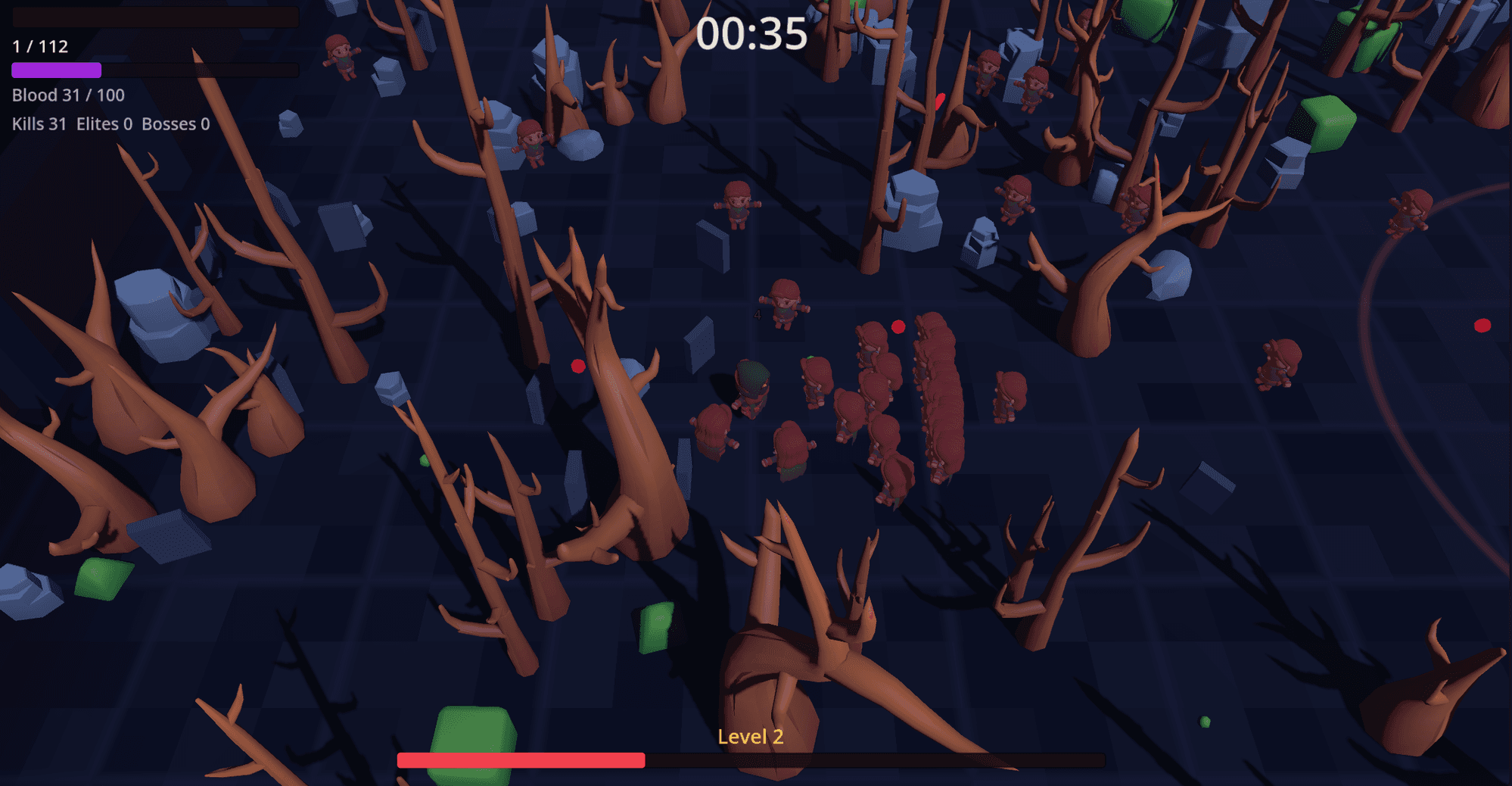
Godot Benchmark 2: Opus 5 > Sol > Terra
Round 2 of our Godot benchmark: Claude Opus 5, GPT 5.6 Sol, and GPT 5.6 Terra each got one prompt to build a 3D vampire survivor in Godot from a full AI-generated game spec, using the bundled KayKit asset packs. All at high reasoning.
TL;DR
Opus 5 is the only one that feels like a game, but it cost 7x more and took 2x longer than Sol. Sol is playable but rough. Terra is unusable: you can’t hit anything, so you can’t progress.
| Model | World | Conversation | Cost | Time |
|---|---|---|---|---|
| Claude Opus 5 | 8 | 9 | $65.64 | 56 min |
| GPT 5.6 Sol | 5 | 6 | $9.79 | 28 min |
| GPT 5.6 Terra | 2 | 3 | $2.27 | 11 min |
The Prompt
Create me a 3d vampire survivor game. The game spec is in the project root.
The project root held a detailed game spec generated by ChatGPT .
Created Worlds
| Claude Opus 5 | GPT 5.6 Sol | GPT 5.6 Terra |
|---|---|---|
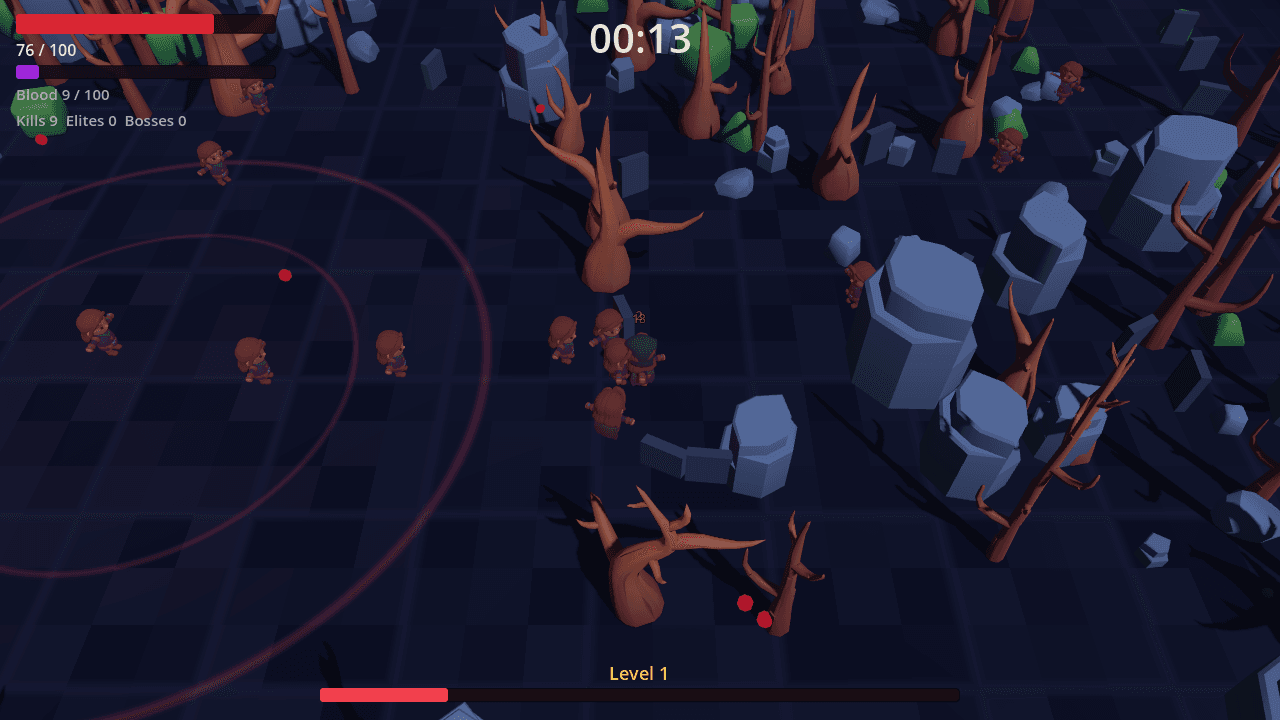 | 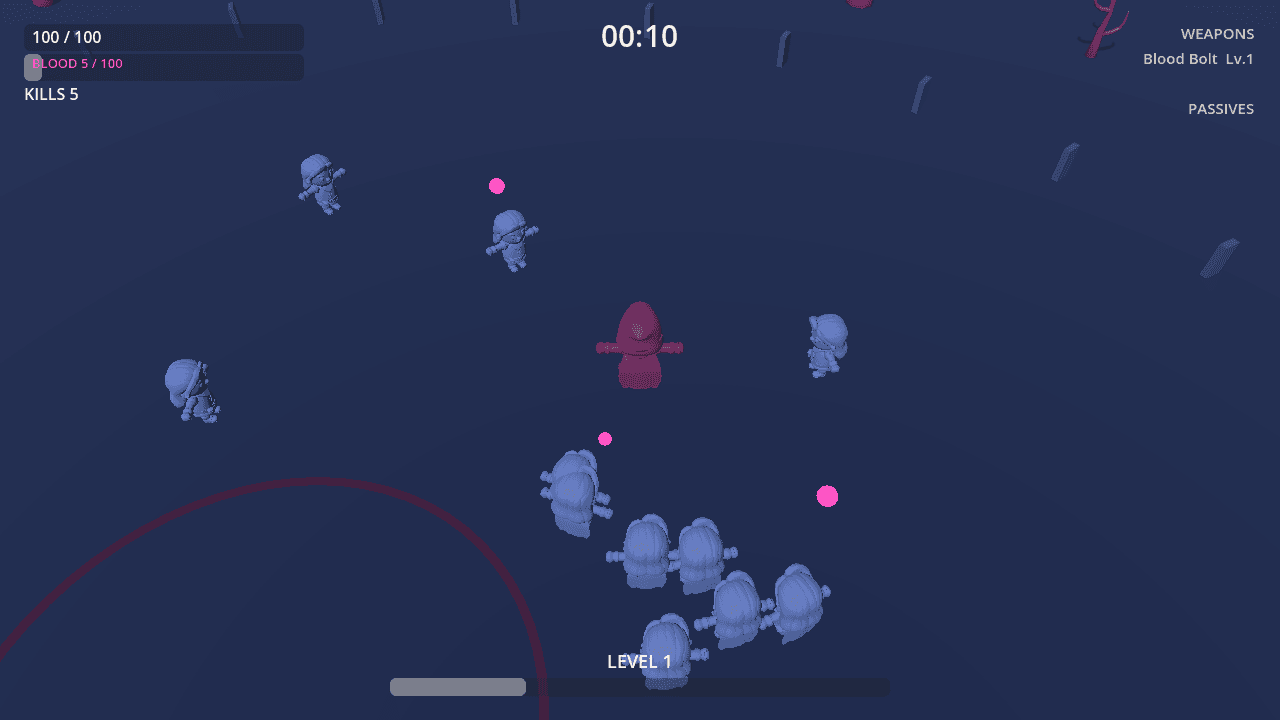 | 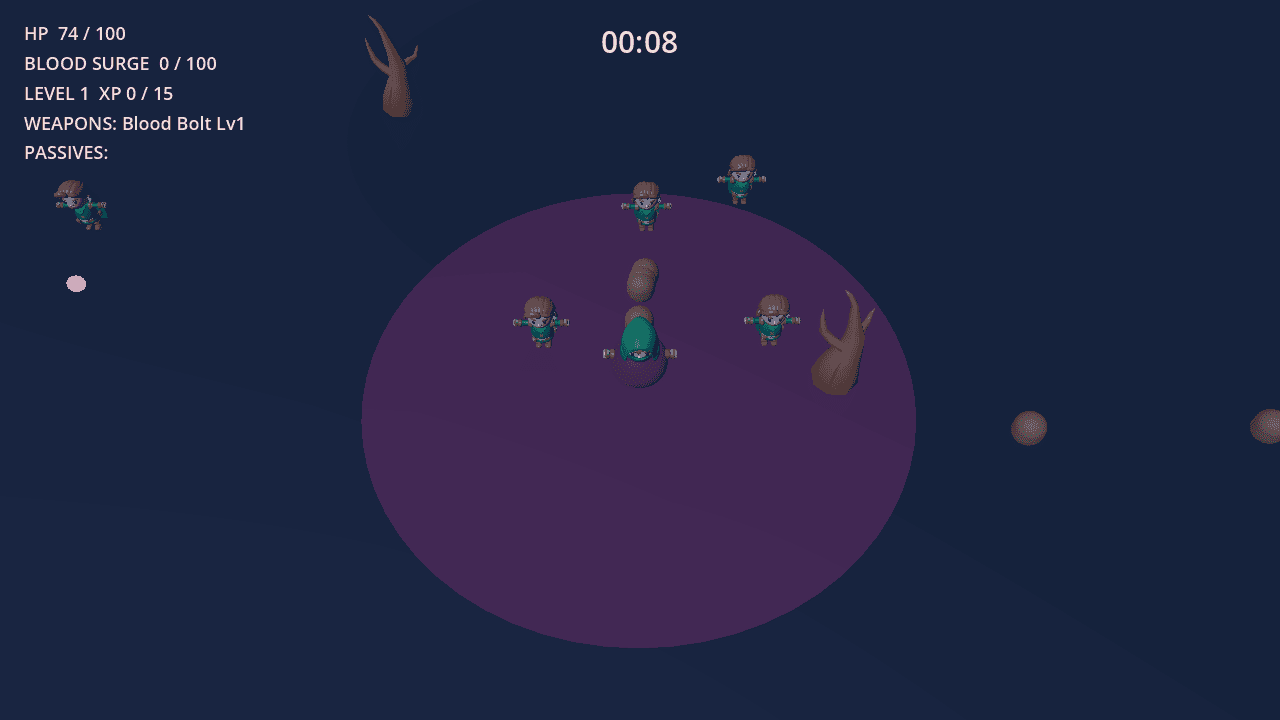 |
| Play | Play | Play |
All three used the KayKit packs. Opus 5 gives you a dense graveyard forest with a real swarm to kite. Sol works but is rough: the UI isn’t centred, left click does nothing despite the game saying it should, there are no damage indicators, and nothing animates when you move. Terra you can’t play at all — the attacks never connect, so you die without being able to do anything.
Conversation Analysis
Fable 5 graded each transcript on whether the model worked like a real game dev: scenes over runtime-generated everything, real reasoning about 3D placement, playtests it actually looked at.
- Claude Opus 5 — 16 scenes, decorations seed-scattered with a combat-zone exclusion, and it looked at 11 of 16 playtests — even catching a 1-FPS collapse from a frame. Docked for building all UI in code. 9/10 · conversation
- GPT 5.6 Sol — 7 real scenes, but props placed on two perfect rings (hence the empty arena), 45% of the code in one file, and only 1 of 12 playtests reacted to what was on screen — so it shipped bugs it believed it had fixed. 6/10 · conversation
- GPT 5.6 Terra — one scene, one 807-line
main.gdholding the whole game, props on a grid formula, and none of its 6 playtests engaged with the output — which is how you ship attacks that never connect. 3/10 · conversation
My Thoughts
Opus 5’s is the only one I’d call a game - it was genuinely pretty fun to play. But an hour and $65 per iteration isn’t great. Sol gets you something playable for $10 much quicker, and I would personally recommend using that over Opus if you’re actively part of the game development loop; something we always encourage at Ziva.
Credits
Assets by KayKit (Adventurers, Forest Nature packs). The game spec was generated with one prompt to ChatGPT: conversation